
An Overlook of Tradition, Unity, and Diversity
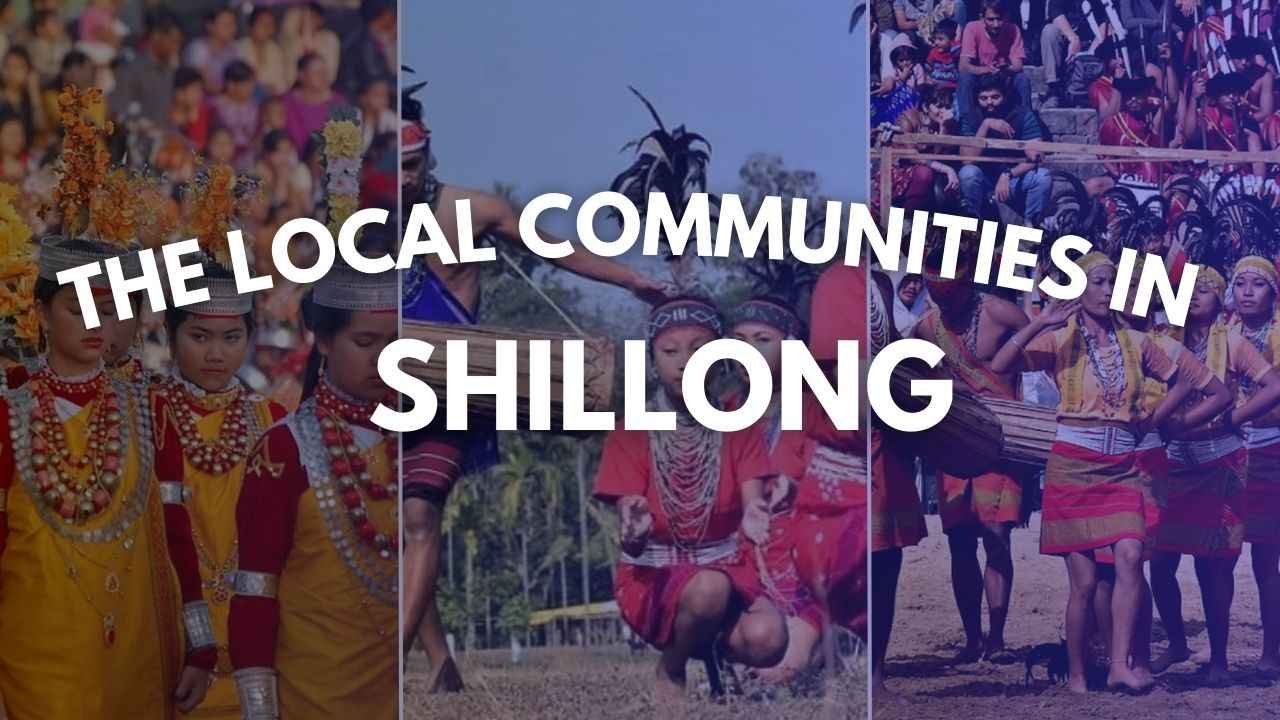
Local Communities in Shillong
Quick Summary
Shillong is home to a rich blend of indigenous communities, with the Khasi, Jaintia, and Garo tribes forming the cultural foundation of Meghalaya’s capital. Among them, the Khasi community is the largest in Shillong and is widely recognized for its unique matrilineal family system, where lineage and inheritance pass through the mother’s side. The city’s cultural identity is reflected in its traditional festivals, native languages, oral storytelling, music, architecture, and close relationship with nature. Alongside these indigenous groups, communities such as Nepalis have also contributed to Shillong’s multicultural character, making it one of Northeast India’s most diverse cultural destinations.
Key Facts About the Local Communities in Shillong
| Topic | Details |
|---|---|
| Primary Indigenous Communities | Khasi, Jaintia (Pnar), and Garo |
| Largest Community | Khasi |
| Traditional Social System | Matrilineal inheritance in Khasi and Jaintia families |
| Main Languages | Khasi, Pnar (Jaintia), and Garo |
| Cultural Highlights | Folk music, oral traditions, traditional dances, indigenous festivals |
| Traditional Lifestyle | Strong connection with forests, agriculture, and community living |
| Cultural Identity | Meghalaya’s diverse tribal heritage centered around respect for nature and family traditions |
| Other Communities | Nepali and several smaller ethnic groups also reside in Shillong |
Frequently Asked Questions
What are the main local communities in Shillong?
Shillong is primarily inhabited by the Khasi, Jaintia, and Garo communities, which together represent the major indigenous tribes of Meghalaya. Other communities, including Nepali families, also contribute to the city’s multicultural identity.
Why is the Khasi community unique?
The Khasi community follows a matrilineal system where children inherit their mother’s surname and family property traditionally passes to the youngest daughter. This social structure distinguishes Khasi society from most other communities in India.
Which languages are commonly spoken by Shillong’s local communities?
Khasi is the most widely spoken indigenous language in Shillong. Pnar (associated with the Jaintia community) and Garo are also spoken by their respective communities, alongside English and Hindi in urban areas.
How do local communities preserve their traditions?
Traditional knowledge is preserved through oral storytelling, folk songs, cultural dances, religious ceremonies, community festivals, and customs that are passed from one generation to the next.
Why are Shillong’s local communities important to visitors?
Understanding the Khasi, Jaintia, and Garo communities helps visitors appreciate Shillong beyond its natural beauty. Their traditions, cuisine, festivals, architecture, and cultural values are central to the city’s identity and heritage.
Last Updated
Last Updated: July 28, 2026
About the Author
Chand Kumar writes about Meghalaya, Northeast India, local culture, travel experiences, and regional heritage. His articles focus on authentic travel information, indigenous communities, traditions, and practical guides for visitors exploring Shillong and the surrounding regions.
Related Articles
Shillong, the capital city of Meghalaya, is Situated in the Northeastern region of India. Shillong is known for its magnificent beauty of nature, diversity of culture, and Local Communities in Shillong. Mother nature has given Meghalaya a supreme blessing, but there is also a thing for which Shillong, Meghalaya, is known: the community’s diversity.
There are some major native communities in Shillong, Meghalaya which are the Khashi Community, Garo Community, Jaintia Community, and some Nepali community
The Khasi Peoples (Khasi Community)
The largest and most prominent community in Shillong is the Khasi community. The Khasis are an indigenous ethnic group speaking the Khasi language and belongs to the Austroasiatic family. The Khasi community has a deep connection to the land and its culture.
The language they speak: Khasi
The language they speak: Khasi
One of the key features of the Khasi community is their matrilineal system. Unlike most societies where family lineage follows by males. The father’s surname used in normal communities, but in the Khasi community, newborn babies given their mother’s surname.
In Khasi society the youngest daughter, known as the “ka khadduh,” inherits the family property and becomes the ancestral assets and home custodian. This unique social structure has played a significant role in shaping the roles of women in Khasi society.
One more this is very popular in the Khasi community is that they pass their cultural knowledge through “oral storytelling”, songs, and dances. Their festivals, like the “Shad Suk Mynsiem” (the dance of the happy heart), are an important part of their culture. They wear their cultural and traditional dress during this festival.
The Jaintia Community
The Jaintia people are another indigenous group that calls Shillong and its surrounding areas home. Their cultural practices and lifestyle share similarities with the Khasis. Yet they also have distinct traditions and customs. The Jaintias speak the Jaintia language and they are the local communities of Shillong.
The language they speak: Pnar (a dialect of the Khasi language)
Like the Khasis, the Jaintias have a matrilineal social structure, and the family unit is often centered around the mother’s lineage.
Traditional Jaintia homes are often set in rural areas and constructed with natural materials such as bamboo, wood, and thatch, blending harmoniously with the surrounding environment.
The Garo Community
While the Khasis and Jaintias dominate the cultural landscape of Shillong, the Garo community. Another major ethnic group of Meghalaya, has also made significant contributions to the city’s vibrant society.
The Garos lives in the Garo Hills region of Meghalaya, but many have settled in Shillong and other parts of the state over the years.
The Garo people speak Garo, a language belonging to the Tibeto-Burman family, and their cultural practices rooted in a deep respect for nature and the elements. Much like the Khasis and Jaintias, the Garos have their traditional belief systems,
One of the most important festivals for the Garo people is “Biod,” a harvest festival that marks the end of the sowing season and the beginning of the harvest. The festival is a celebration of nature’s bounty and filled with singing, dancing, and feasting. Local Communities in Shillong, Meghalaya are the indigenous peoples of India.
slot365 cập nhật liên tục các trò chơi mới nhất thị trường. Sự đa dạng về sảnh game giúp người chơi luôn cảm thấy mới mẻ và phấn khích. TONY01-16