
Tourism with Taking Care of the Nature
Eco-Tourism in Shillong
Eco Tourism in Shillong, Meghalaya: Quick Summary
Shillong is one of Northeast India’s leading eco-tourism destinations, combining waterfalls, pine-covered hills, living cultural traditions, protected forests, and community-led tourism. Visitors can enjoy nature while supporting local businesses, homestays, and sustainable travel initiatives. From scenic viewpoints and trekking trails to nearby villages and wildlife-rich landscapes, eco-tourism in Shillong focuses on responsible travel that helps preserve Meghalaya’s natural environment and indigenous heritage for future generations. Sustainable tourism continues to be a major priority for Meghalaya’s tourism development.
Key Facts About Eco Tourism in Shillong
| Feature | Details |
|---|---|
| Destination | Shillong, Meghalaya |
| Tourism Type | Nature, Eco Tourism, Cultural Tourism, Adventure Travel |
| Best Time to Visit | October to April for pleasant weather; monsoon offers lush scenery with heavier rainfall |
| Famous Attractions | Umiam Lake, Elephant Falls, Shillong Peak, Ward’s Lake, Mawphlang Sacred Forest, nearby Living Root Bridges |
| Popular Activities | Nature walks, trekking, birdwatching, boating, camping, photography, village experiences |
| Ideal Trip Duration | 3–5 Days |
| Suitable For | Families, Couples, Solo Travelers, Nature Lovers, Adventure Enthusiasts |
| Eco-Friendly Tip | Choose certified local guides, community homestays, avoid single-use plastic, and follow Leave No Trace principles |
Frequently Asked Questions
Is Shillong a good destination for eco tourism?
Yes. Shillong is known for its forests, waterfalls, clean mountain landscapes, and community-based tourism experiences that encourage responsible travel while protecting local ecosystems and culture.
What are the best eco-tourism places near Shillong?
Some of the most popular destinations include Umiam Lake, Mawphlang Sacred Forest, Elephant Falls, Shillong Peak, Laitlum Canyon, and the nearby Living Root Bridges in the Khasi Hills.
When is the best time to visit Shillong for nature tourism?
October to April offers comfortable temperatures and clear skies for sightseeing and trekking. Travelers who enjoy lush green landscapes may also prefer the monsoon season, although heavy rainfall can affect outdoor activities.
How can travelers support sustainable tourism in Shillong?
Stay at locally operated homestays, hire local guides, respect indigenous customs, avoid littering, reduce plastic waste, and support businesses that promote environmentally responsible tourism.
Is Shillong suitable for family eco-tourism trips?
Yes. Shillong offers family-friendly attractions, scenic viewpoints, lakes, parks, and short nature trails, making it suitable for travelers of all age groups.
Last Updated
Last Updated: July 28, 2026
About the Author
Editorial Team – Teer Today
Our editorial team researches travel destinations, regional tourism trends, and local visitor information to publish practical, regularly updated guides. Every article is reviewed for accuracy, readability, and usefulness so readers can plan informed trips across Northeast India.
Related Guides
Shillong, Meghalaya’s capital, is often called the “Scotland of India.” With its lush landscapes, vibrant culture, and rich biodiversity, Shillong is not just a travel destination but also a reacon for eco-tourism. As the world increasingly shifts towards sustainable travel, Shillong offers an array of eco-friendly experiences catering to adventure seekers and nature lovers. In this post, we’ll explore the essence of eco-tourism in Shillong, its significance, and how travelers can contribute to sustainable practices while enjoying this stunning region.
Eco-Tourism in Shillong, Meghalaya
The Charm of Shillong
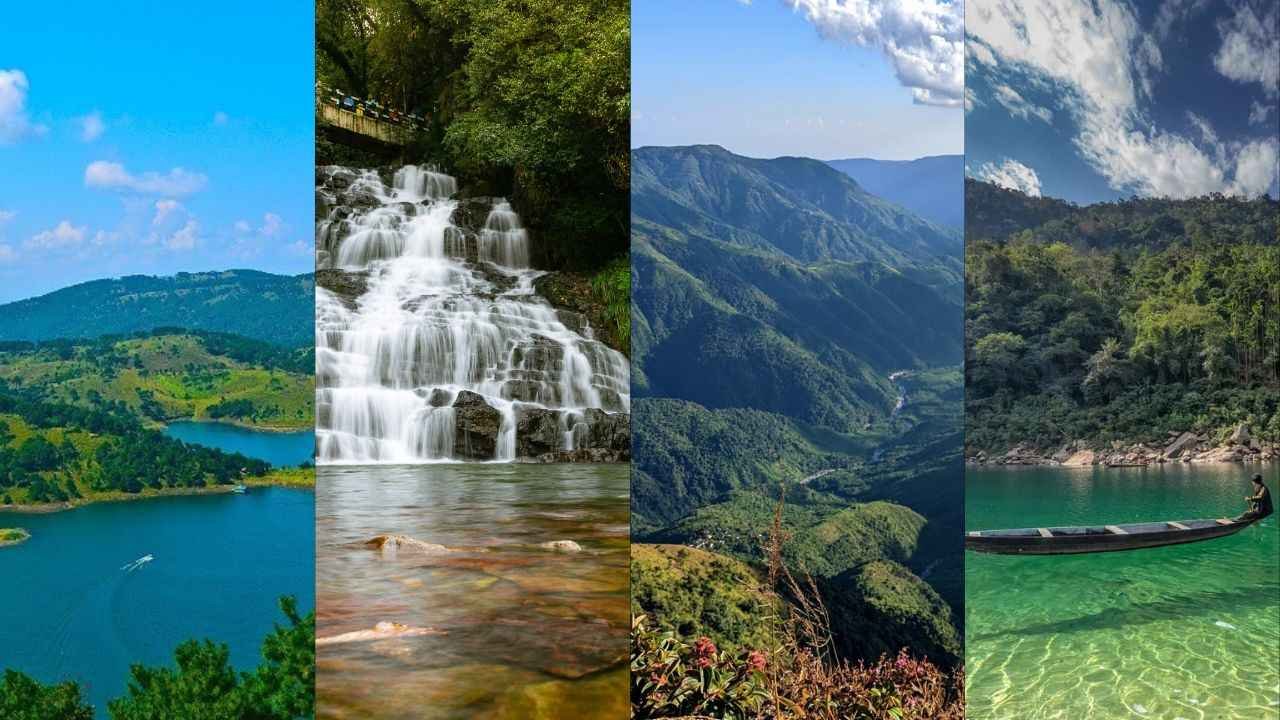
Shillong is perched at approximately 1,525 meters above sea level, offering breathtaking views of rolling hills, waterfalls, and vibrant flora. The city serves as the capital of Meghalaya, a state known for its unique ecosystem and rich biodiversity. With a climate characterized by heavy rainfall, the region boasts lush green landscapes that change colors with the seasons, making it a year-round destination for nature lovers.
The cultural tapestry of Shillong is equally compelling. Home to the Khasi, Jaintia, and Garo tribes, the region is rich in traditions, music, and festivals. Visitors can immerse themselves in the local way of life, sampling traditional cuisines and participating in cultural festivities that showcase the region’s heritage.
What is Eco-Tourism?

Eco-tourism is a responsible travel approach that focuses on conserving the environment, promoting sustainability, and respecting local cultures. It encourages travelers to engage in activities that minimize their impact on the natural world while supporting local economies. In the context of Shillong, eco-tourism aims to preserve the region’s rich biodiversity and cultural heritage while providing visitors with an unforgettable experience.
Key Eco-Tourism Attractions in Meghalaya
Living Root Bridges

One of Meghalaya’s most iconic natural wonders, the living roots bridges are a testament to the ingenuity of the Khasi people. These bridges, made from the roots of the rubber tree, take years to grow and are an impressive sight. The most famous living root bridge is in Cherrapunji, a short drive from Shillong. Guided treks to these bridges often involve interactions with local tribes, giving travelers insights into their sustainable practices and deep connection with nature.
Elephant Falls and Ward's Lake
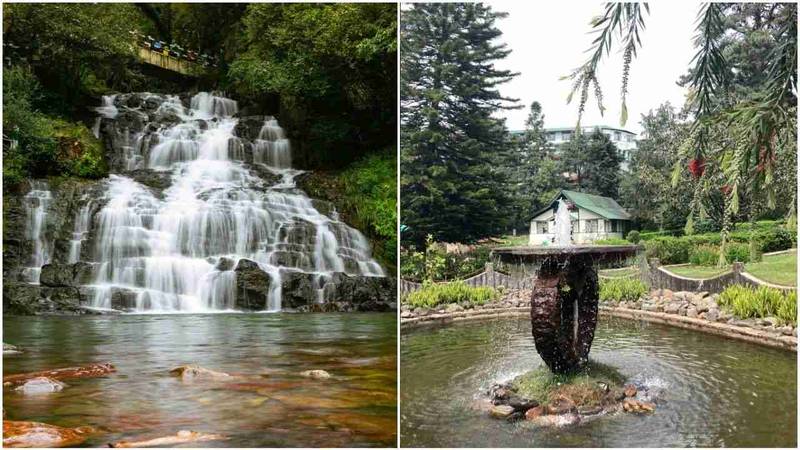
Elephanta Falls, located just outside Shillong, is a serene spot where visitors can enjoy the cascading waters and the surrounding greenery. The area is perfect for picnics, photography, and short hikes. Similarly, Ward’s Lake, an artificial lake in the heart of Shillong, offers a tranquil setting for boating and leisurely walks. Both locations encourage visitors to appreciate the natural beauty while maintaining eco-friendly practices.
Eco-Parks and Reserves

Shillong is home to several eco-parks and wildlife reserves that are crucial for conservation efforts. The Mawphlang Sacred Forest, revered by the local Khasi tribe, is a biodiversity hotspot where visitors can explore various flora and fauna. Guided nature walks led by local guides provide an in-depth understanding of the forest’s significance and the need for preservation. Another gem is the Shillong Wildlife Sanctuary, where travelers can spot unique wildlife.
Local Markets and Artisans

Supporting local artisans is a key component of eco-tourism. Shillong’s vibrant markets, such as the Police Bazaar, offer handmade crafts, textiles, and traditional Khasi cuisine. By purchasing local products, travelers contribute to artisans’ livelihoods while promoting sustainable economic practices. Engaging with local craftsmen allows visitors to learn about traditional crafts and the importance of preserving cultural heritage.
Responsible Travel Practices
While exploring Shillong, travelers need to adopt responsible travel practices that align with eco-tourism principles:
1. Leave No Trace
Respect nature by following the “Leave No Trace” principles. Dispose of waste properly, stick to marked trails, and avoid disturbing wildlife. Carry reusable water bottles and bags to minimize plastic waste.
2. Support Local Businesses
Opt for locally-owned accommodations, eateries, and guides. This not only provides a more authentic experience but also ensures that your money directly supports the local economy.
3. Engage with the Community
Take the time to interact with residents and learn about their culture and traditions. Participating in community-led tours can provide deeper insights into the region’s way of life.
4. Educate Yourself
Before visiting, educate yourself about the environmental issues facing the region. Understanding the challenges will allow you to appreciate the importance of eco-tourism and conservation efforts.
Tham gia cộng đồng rtp slot 888 để cùng thảo luận và nhận những bí kíp soi cầu chuẩn xác từ các chuyên gia hàng đầu. TONY02-03H
It’s really a grreat and helpful piece of info.
I am glad thast you just shared this helpful info with
us. Please stay us informed likoe this. Thanks for sharing. https://u7Bm8.mssg.me/
It’s realoy a great and helpful piece of info.
I am glad that you just shared this helpful info with
us. Please stay us informed like this. Thanks for sharing. https://u7Bm8.mssg.me/