
A Glimpse into the Heart of Meghalaya
Meghalaya Tribal Culture & Festivals: Quick Summary
Quick Answer: Meghalaya’s tribal heritage is shaped by the Khasi, Garo, and Jaintia communities, each preserving distinct traditions, languages, music, dance, and seasonal festivals. Celebrations such as Shad Suk Mynsiem, Wangala, and Behdienkhlam reflect gratitude for nature, agricultural cycles, and community values, making Meghalaya one of India’s richest destinations for indigenous cultural experiences.
Key Facts About Meghalaya’s Tribal Culture
| Topic | Information |
|---|---|
| State | Meghalaya, Northeast India |
| Major Indigenous Communities | Khasi, Garo, and Jaintia |
| Cultural Identity | Traditional customs, folk music, dance, oral heritage, and community celebrations |
| Famous Festivals | Shad Suk Mynsiem, Wangala (Festival of 100 Drums), Behdienkhlam |
| Best Time for Cultural Tourism | April–November, depending on festival schedules |
| Cultural Highlights | Traditional attire, harvest rituals, indigenous music, local cuisine, and ceremonial dances |
| Popular Destination | Shillong serves as the cultural gateway to many tribal traditions |
Frequently Asked Questions
What makes Meghalaya’s tribal culture unique?
Meghalaya stands out for its living indigenous traditions maintained by the Khasi, Garo, and Jaintia communities. Their festivals, social customs, traditional arts, and close relationship with nature continue to shape everyday life across the state.
Which are the most famous tribal festivals in Meghalaya?
Among the best-known celebrations are Shad Suk Mynsiem (Khasi), Wangala (Garo), and Behdienkhlam (Jaintia). Each festival represents different cultural beliefs, seasonal events, and community celebrations.
When is the best time to experience Meghalaya’s cultural festivals?
Most traditional festivals take place between April and November, although exact dates may vary each year according to local customs and community calendars.
Are visitors allowed to attend tribal festivals?
Yes. Many cultural festivals welcome domestic and international visitors. Travelers are encouraged to respect local traditions, dress appropriately, and follow community guidelines during ceremonies.
Why are Meghalaya’s festivals important?
These celebrations preserve indigenous identity, strengthen community bonds, pass traditions to younger generations, and showcase the state’s cultural diversity while supporting responsible cultural tourism.
Last Updated
Last Updated: July 30, 2026
About the Author
Written by Chand Kumar
Chand Kumar writes about Northeast India, regional travel, cultural heritage, and local traditions. His articles focus on helping readers discover authentic destinations, indigenous communities, and practical travel insights across Meghalaya and neighboring states.
Related Guides
Meghalaya’s tribal culture and festivals are a part that is not discovered that much, but Meghalaya’s tribes do follow these traditions still today. Shillong, often referred to as the “Scotland of the East,” is not only known for its picturesque landscapes and cool climate, but also for its rich tribal culture.
The city of Meghalaya is home to a diverse mix of indigenous communities that have shaped its identity over centuries. The tribes here the Khasi, and Jaintia, and Garo-maintain strong cultural traditions embedded in their way of life.
The Tribal Communities of Shillong
Shillong has three major native community the Khasi, the Jaintia, and the Garo. These tribes, each with their distinct customs, dialects, and ways of life. These tribes coexisted for centuries in harmony with nature and each other.
Their traditions, passed down through generations. This continues to shape not only their festivals but also their social structures, food, clothing, and language.
The Khasi Tribe
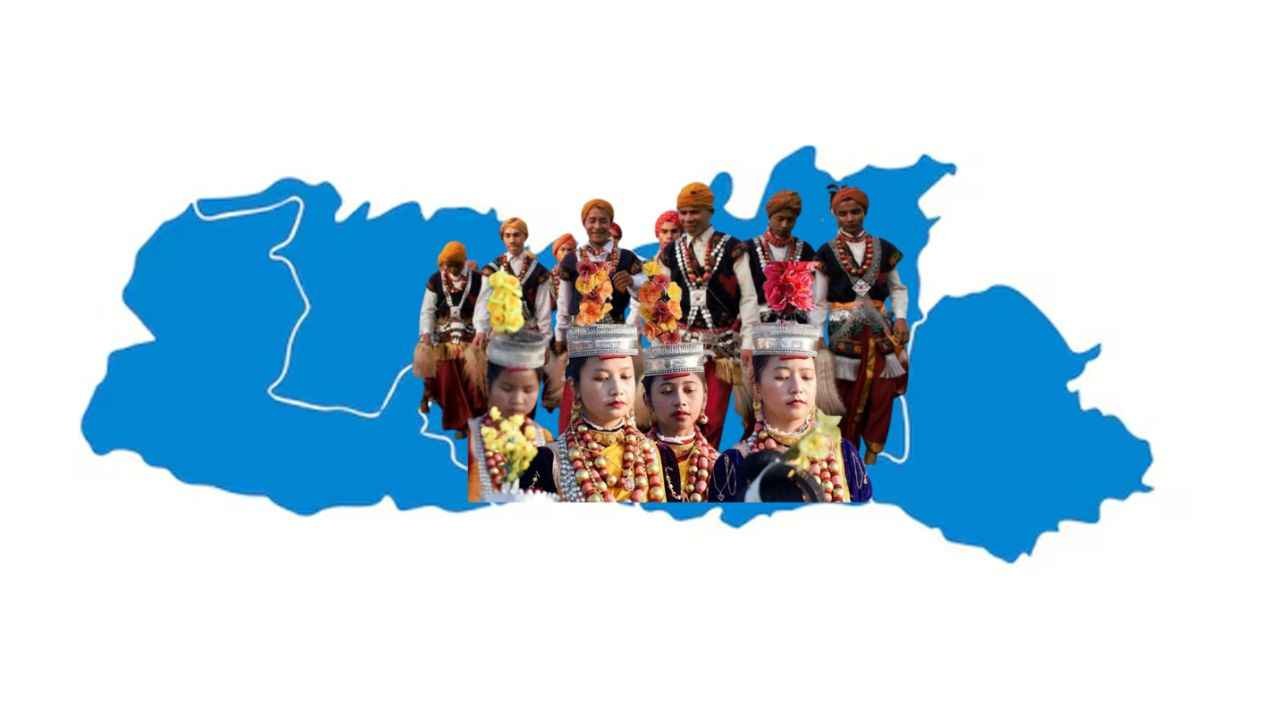
The Khasi people are the most well-known of Shillong’s indigenous tribes. They follow a matrilineal system, where lineage and inheritance traced through the mother’s side of the family. This unique system gives women a central role in society, especially in matters of property and family affairs.
The Khasi are also known for their strong connection to nature and their religious practices. Meghalaya’s tribal culture and festivals involve reverence for the environment and ancestors.
The Jaintia Tribe
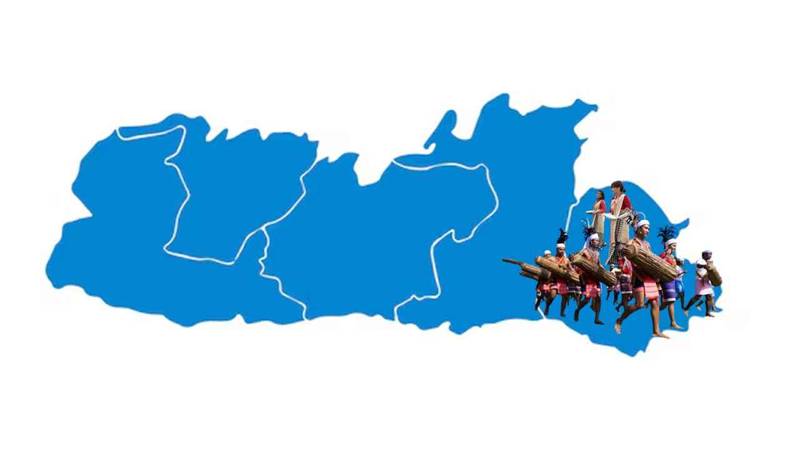
The Jaintia people, who live to the east of Shillong. They have a culture related to the Khasi but with distinct variations. Their language, customs, and traditions offer a unique blend of indigenous practices with influences from neighboring regions.
The Jaintia community is also known for its vibrant festivals. They have a deep connection to agriculture, particularly rice cultivation.
The Garo Tribe
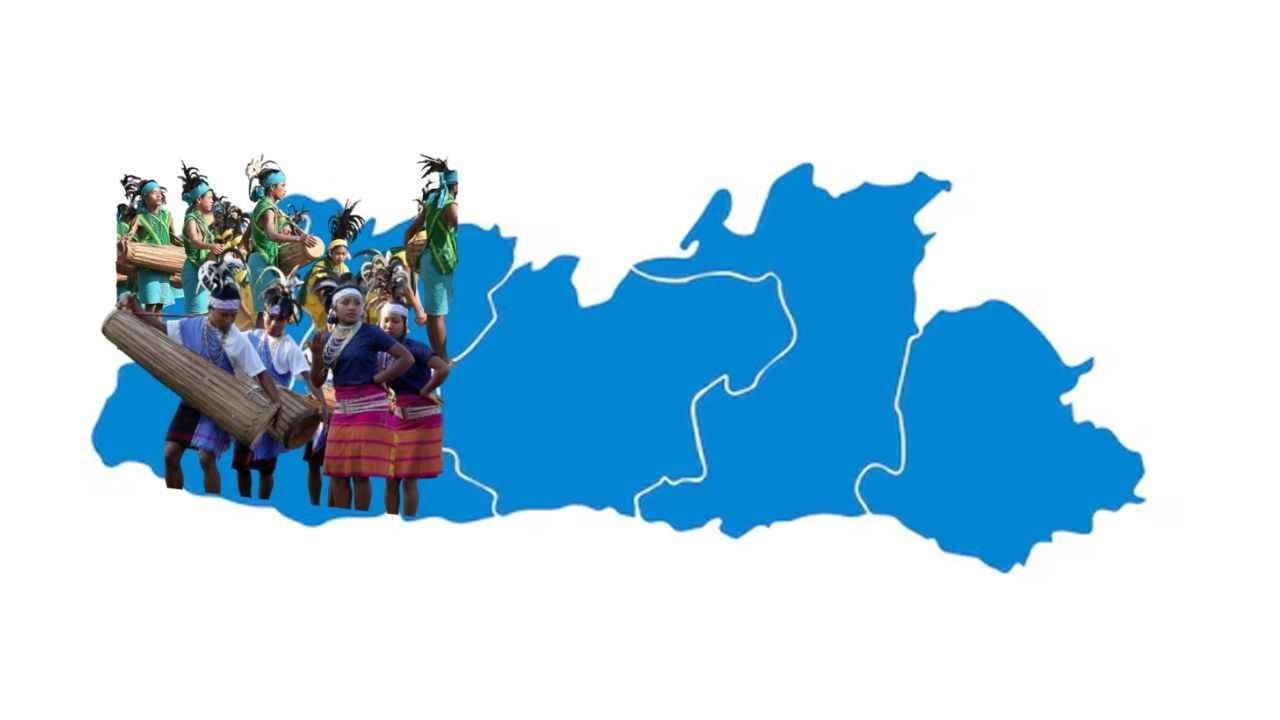
The Garo tribe, lives in the western parts of Meghalaya. They have their own rich set of traditions, languages, and practices. The Garos tribe known for their agricultural lifestyle, with rice being a staple crop.
The Garo people also follow a patriarchal system, unlike the Khasi, where ancestry and property pass down through the father’s side.
Meghalaya's Tribal Culture and Festivals You Need to Know

Shillong celebrates a range of festivals that not only mark the agricultural cycles but also honor their ancestors, gods, and spirits.
These festivals offer you to go deep into the rich tapestry of beliefs, rituals, and community life. That have been integral to Shillong’s tribal identity for generations.
Shad Suk Mynsiem (A Meghalaya's Old Tribal Culture and Festivals)
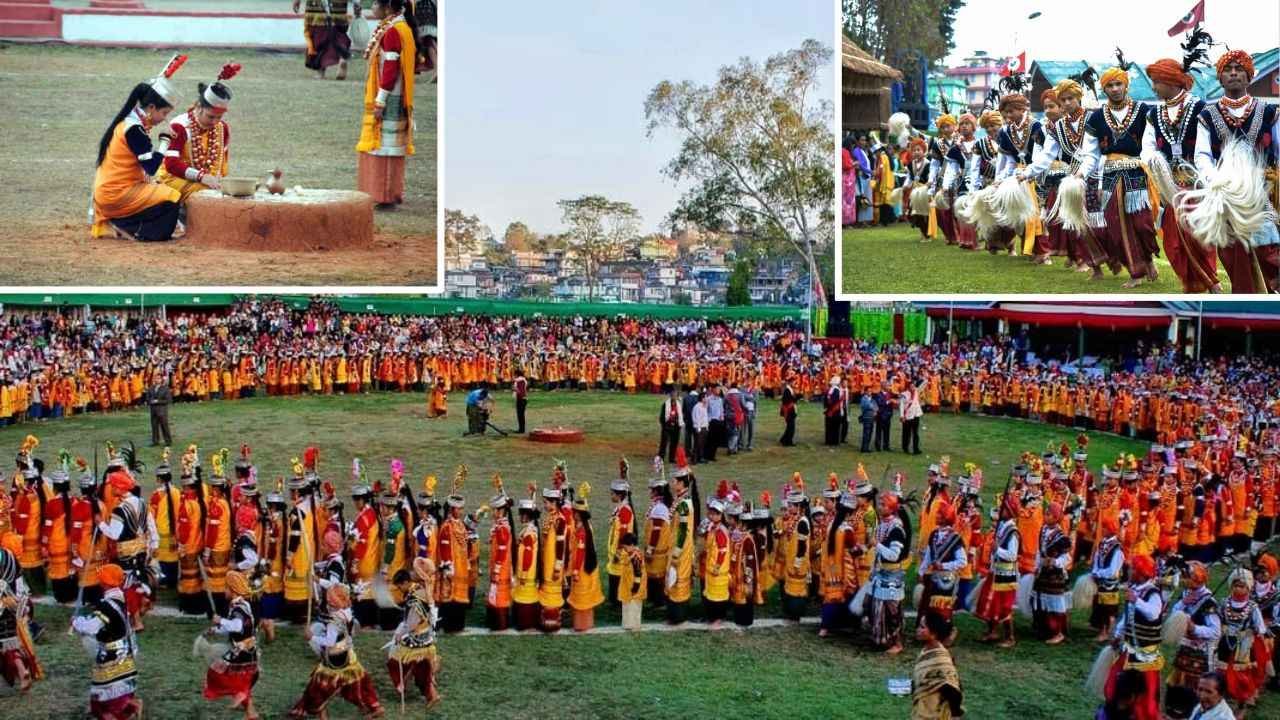
Shad Suk Mynsiem is one of the most important festivals for the Khasi tribe, usually celebrated in April or May. It is the festival of harvest, dedicated to the spirits of the ancestors. It is a celebration of gratitude for the year’s bountiful harvest.
During this festival women, dressed in traditional attire, perform the ‘Ka Shad Suk Mynsiem’ (the dance of peaceful hearts). In a circle, symbolizing harmony and the unity of the community.
Wangala
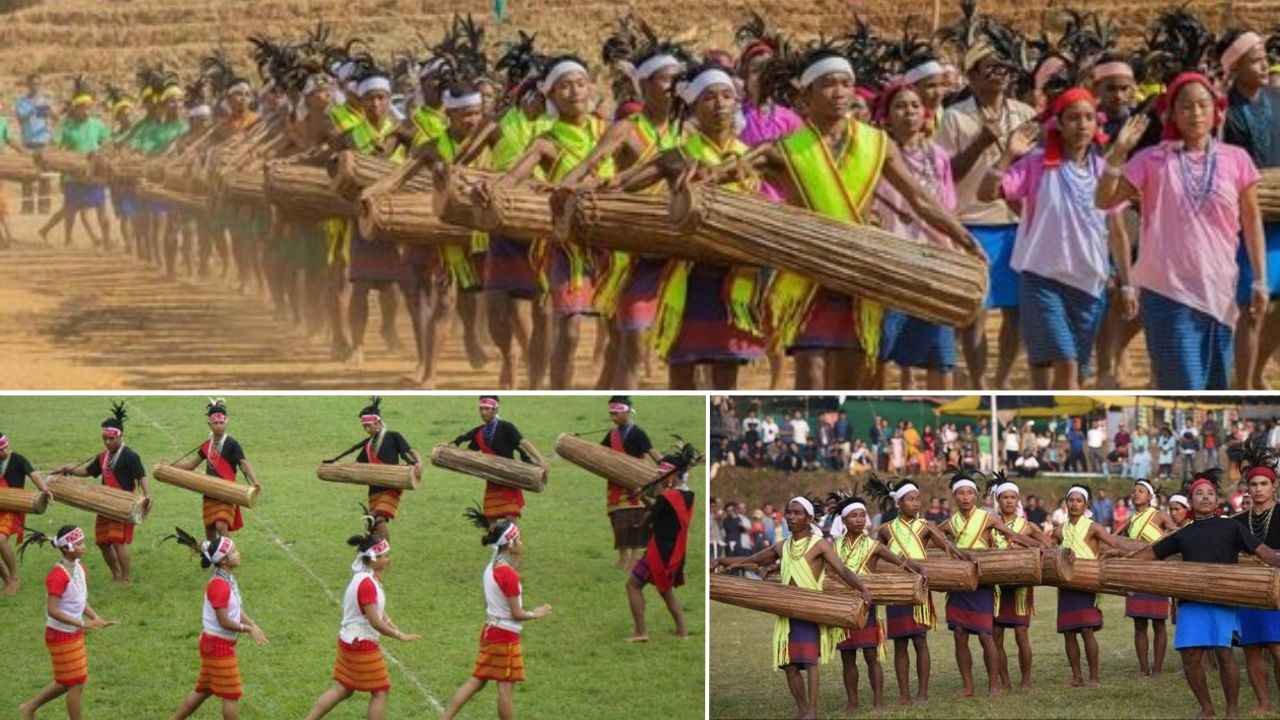
Wangala, also known as the “Festival of 100 Drums,” is one of the most iconic festivals of the Garo community and a major part of Meghalaya’s tribal culture. This festival celebrated to pay tribute to the gods, particularly the Sun God, for a good harvest.
The highlight of the celebrations is the “100 drums” ritual, where a group of drummers plays their instruments in unison, filling the air with a rhythmic, powerful beat.
Behdienkhlam
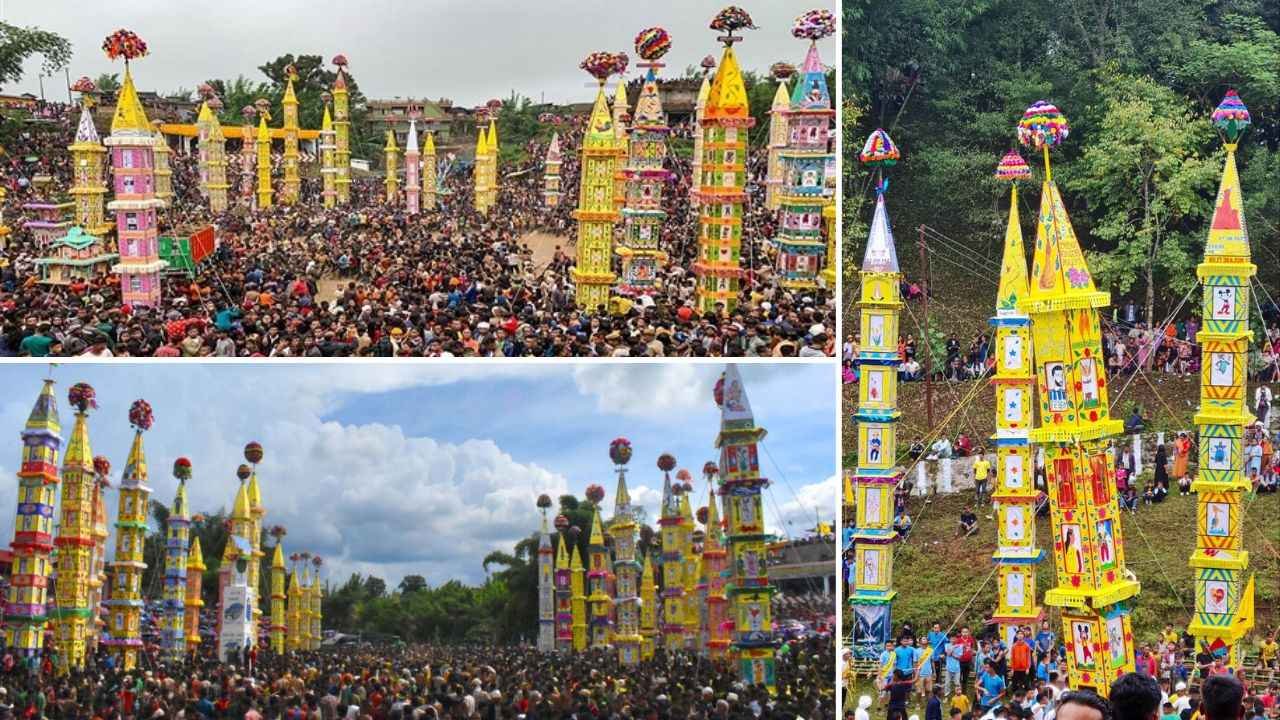
Behdienkhlam is one of the most significant festivals for the Jaintia tribe. It celebrated during the monsoon season, in July or August. This festival is to pay gratitude to the gods for a good harvest and intended to bring prosperity, health, and peace to the community. This festival includes offerings of sacrifices, prayers, and symbolic rituals.
The key attraction of Behdienkhlam is the “Chad” ritual. Where large wooden structures carried through the streets, symbolizing the removal of evil spirits. The festival is also famous for its unique rituals, such as the “beating of the wooden structures,” which believed to bring good fortune to the community.
Christmas and New Year Celebrations
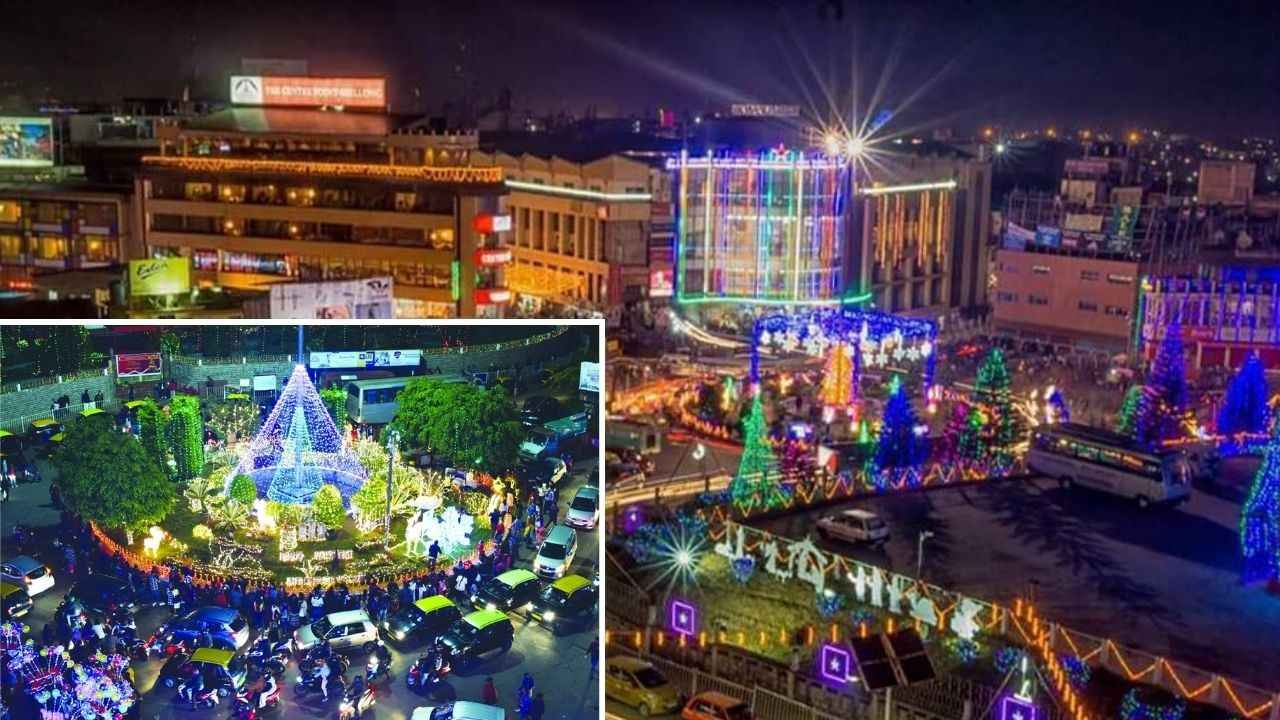
Although it is not an indigenous festival, Christmas has become an important celebration in Shillong, owing to the influence of Christianity in the region. With a significant portion of the population being Christian, the city comes alive with festive decorations, church services, and family gatherings. The celebrations also include traditional Khasi and Garo delicacies, dances, and music.
New Year celebrations in Shillong are equally vibrant, marked by social gatherings, feasts, and community events. The city, with its mix of modern and traditional influences, reflects the fusion of different cultures, making these celebrations uniquely Shillong.
Role of Tribal Festivals in Modern Shillong
For the people of Shillong, these festivals are a time to reconnect with their roots, pay respects to their ancestors, and celebrate the rhythms of nature. They provide an opportunity to showcase their cultural richness to the world while also reinforcing the values of unity, respect, and harmony that are central to tribal life.
For those who visit Shillong, experiencing these festivals is a chance to witness the deep-rooted traditions that continue to thrive amidst the changing tides of modern life.
Also Check Out: The Coffee Culture in Shillong
Also Check Out: Shillong for Adventure Seekers
Tôi thích cách trang web này thiết kế giao diện đơn giản nhưng hiện đại, mọi chức năng đều dễ tìm và dễ sử dụng đối với người mới slot365 apk TONY07-20
Thuật toán Random Number Generator (RNG) là trái tim công nghệ đảm bảo tính công bằng tại 888slot store . Đây không đơn thuần là một bộ sinh số ngẫu nhiên thông thường mà là hệ thống RNG tiên tiến được chứng nhận bởi iTech Labs – đơn vị kiểm định hàng đầu trong ngành. TONY04-03O
We absolutely love your blog and find most of your post’s to be precisely what I’m looking for. Do you offer guest writers to write content available for you? I wouldn’t mind publishing a post or elaborating on most of the subjects you write concerning here. Again, awesome website!
Give a round of applause in the comments to show your appreciation!