
The Role of Shillong, Meghalaya
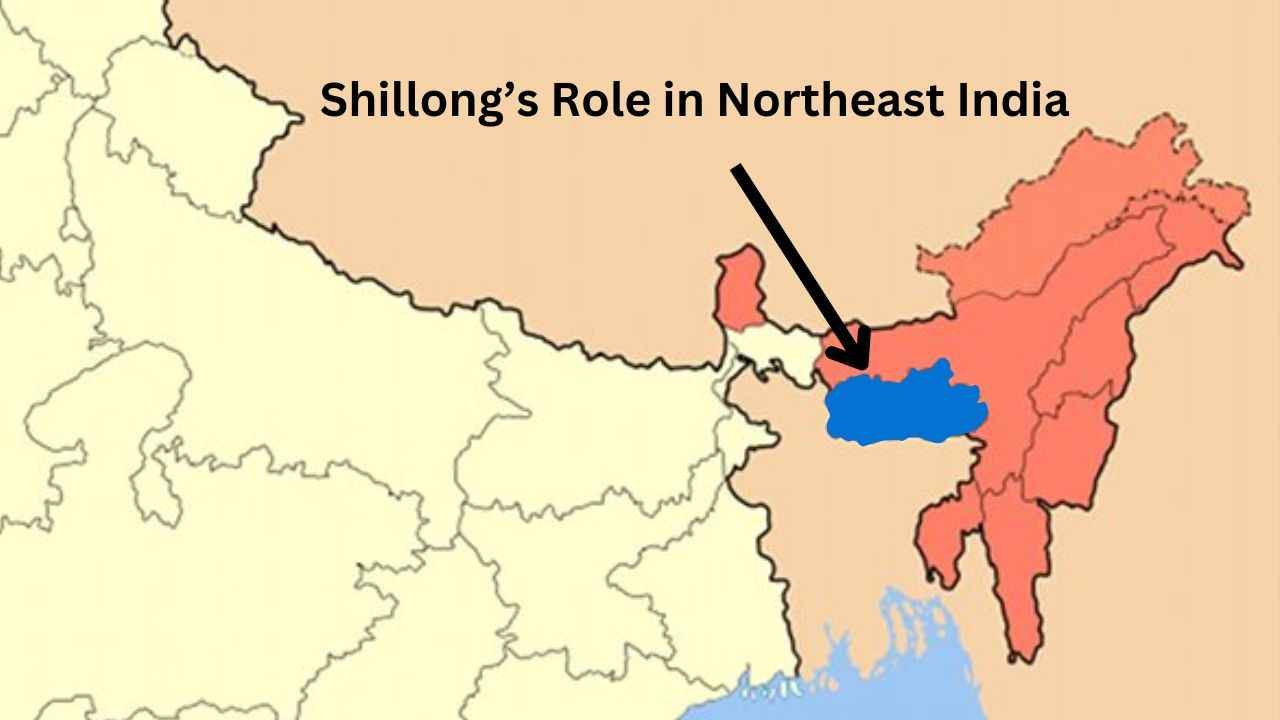
Shillong’s Role in Northeast
Shillong’s Role in Northeast India: Quick Summary
Shillong is more than the capital of Meghalaya—it serves as one of Northeast India’s leading administrative, educational, cultural, and tourism centers. The city connects government institutions, higher education, business activities, and regional travel, making it an important hub for the eight Northeastern states. Its strategic location, pleasant climate, and historical significance have helped Shillong remain influential in regional development while preserving the unique traditions and identity of Meghalaya.
Key Facts About Shillong’s Role in Northeast India
| Topic | Key Information |
|---|---|
| State | Meghalaya |
| Regional Importance | Administrative, educational, cultural, and tourism hub |
| Common Nickname | Scotland of the East |
| Strategic Value | Connects governance, commerce, education, and tourism across Northeast India |
| Major Strengths | Government institutions, universities, music culture, natural attractions |
| Economic Contribution | Tourism, education, retail, hospitality, local businesses |
| Best Known For | Khasi heritage, waterfalls, pleasant climate, vibrant city life |
| Why It Matters | Supports regional growth while showcasing Meghalaya’s cultural identity |
Frequently Asked Questions
Why is Shillong considered important in Northeast India?
Shillong plays a central role because it combines state administration, quality education, tourism, and cultural influence. It attracts students, visitors, government officials, and businesses from across the Northeast.
How does Shillong contribute to Meghalaya’s economy?
The city supports the state’s economy through tourism, educational institutions, hospitality, local commerce, transportation, and government services, creating employment across multiple sectors.
Why is Shillong called the “Scotland of the East”?
The nickname comes from its rolling hills, cool weather, pine forests, and colonial-era landscape, which reminded early visitors of the Scottish Highlands.
Is Shillong only a tourist destination?
No. While tourism is significant, Shillong is equally recognized as an educational, administrative, and cultural center that influences development across Northeast India.
What makes Shillong unique compared to other cities in Northeast India?
Shillong combines modern urban infrastructure with strong indigenous traditions, active music and arts communities, educational excellence, and easy access to some of Meghalaya’s most famous natural attractions.
Last Updated
Last Updated: July 28, 2026
About the Author
Editorial Team – Teer Today
The Teer Today editorial team researches and publishes reliable content about Meghalaya, Shillong Teer, regional culture, and Northeast India. Articles are regularly reviewed and updated to improve accuracy, relevance, and usefulness for readers.
Related Reading
Shillong situated on the Khasi hills in Meghalaya. Shillong, often referred to as the “Scotland of the East,” plays a pivotal role in Northeast India. It’s charm lies in the blend of natural beauty, rich culture, and historical significance, making it one of the most important cities in the region. While it may not be as known as some of India’s metro cities. Shillong is a cornerstone in the development, culture, and politics of Northeast India.
In this post, we will explore Shillong’s significance, historical roots, and current role as a administrative hub in the region.
Shillong's Impact in the Northeast
From Colonial Outpost to Modern Hub

Shillong’s history traces back to the British colonial era when it chosen as the summer capital of Assam due to its temperate climate. The city’s name derived from “Shyllong,” the name of the deity worshiped by the Khasi people, the predominant Indigenous group of the region. The British, recognizing the strategic importance of the location, began developing Shillong as a hill station. setting the foundation for its growth into a key administrative and cultural center.
Even after India’s independence in 1947, Shillong continued to serve as an important administrative center. In 1972, when the state of Meghalaya carved out of Assam, Shillong declared the state capital. This further cemented its role as an important hub in the Northeast, not for the Khasi people, but also for the other indigenous communities that reside in the region.
A Crossroads of Culture
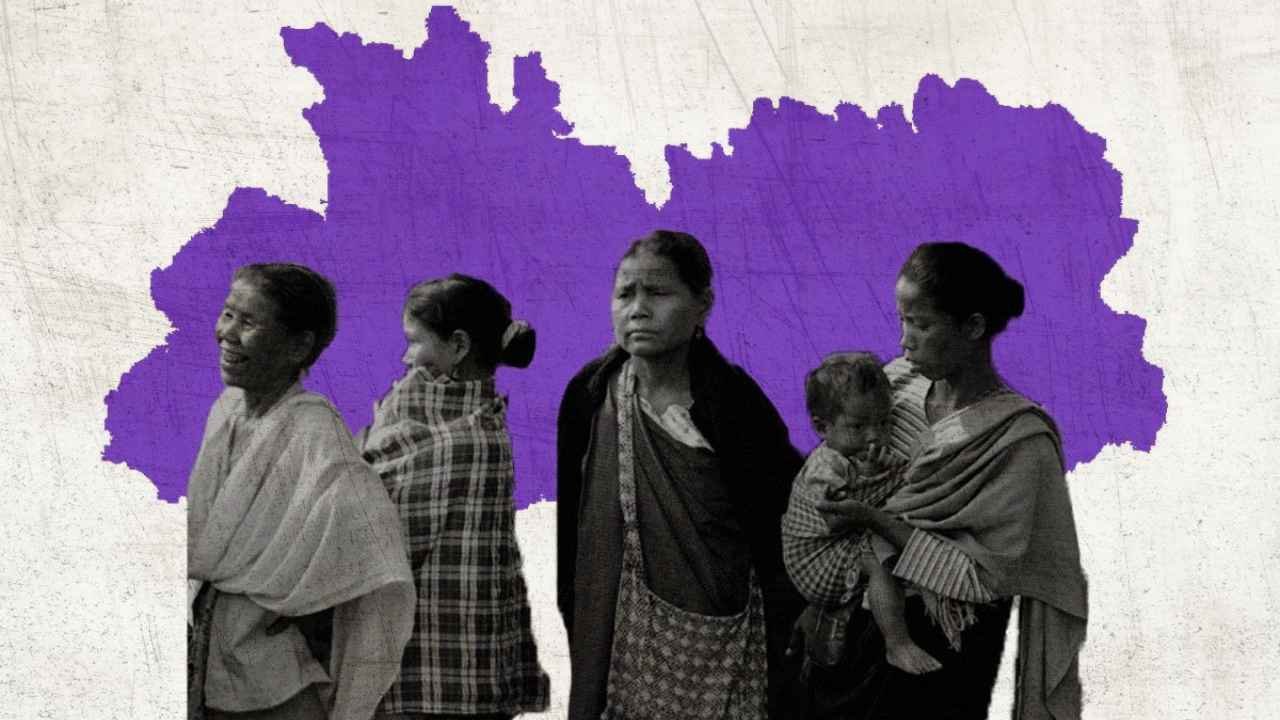
One of the most distinctive features of Shillong is its diversity. The city is a melting pot of indigenous cultures, with the Khasi, Jaintia, and Garo tribes forming the core of the population. Each of these communities has its language, customs, and traditions, contributing to the rich cultural fabric of the city.
Known for its vibrant festivals, such as Shad Suk Mynsiem, which is a major festival of the Khasi tribe celebrating peace and prosperity. Another important celebration is Nongkrem, a festival that honors the indigenous deities and marked by traditional dances, songs, etc.
Shillong’s music scene, in particular, stands out as one of the city’s most defining features. The city has produced many famous musicians, both in traditional and contemporary genres. It has become a hub for rock music, and it is not uncommon to hear live bands performing in various cafés and bars across the city. Shillong is also home to the popular Rock Contest that draws talent from all over the country, further highlighting the city’s role as creative center for the region.
Economic Development and Infrastructure
Shillong’s economic significance has grown steadily over the years. Historically, the city’s economy was centered around agriculture, with the fertile soil of the region supporting crops like rice, maize, and vegetables. However, in recent years, there has been a diversification in the local economy.
Tourism plays a major role in Shillong’s economic growth. The city’s picturesque landscape, surrounded by lush hills, waterfalls, and lakes, makes it a popular destination for travelers. Ward’s Lake, Umiam Lake, and the Elephant Falls are among the most visited spots in the city, attracting both domestic and international tourists. Additionally, the cooler climate and the city’s serene atmosphere provide a welcome escape from the hustle and bustle of other parts of India.
Apart from tourism, Shillong is also becoming an important center for education in the Northeast. The presence of institutions like North Eastern Hill University (NEHU), Indian Institute of Management Shillong (IIM Shillong), and various other colleges and universities make it a key educational hub. Students from all over the region come to Shillong to pursue higher education, contributing to the city’s growing population and cultural vibrancy.
Shillong’s Political Role in Northeast India
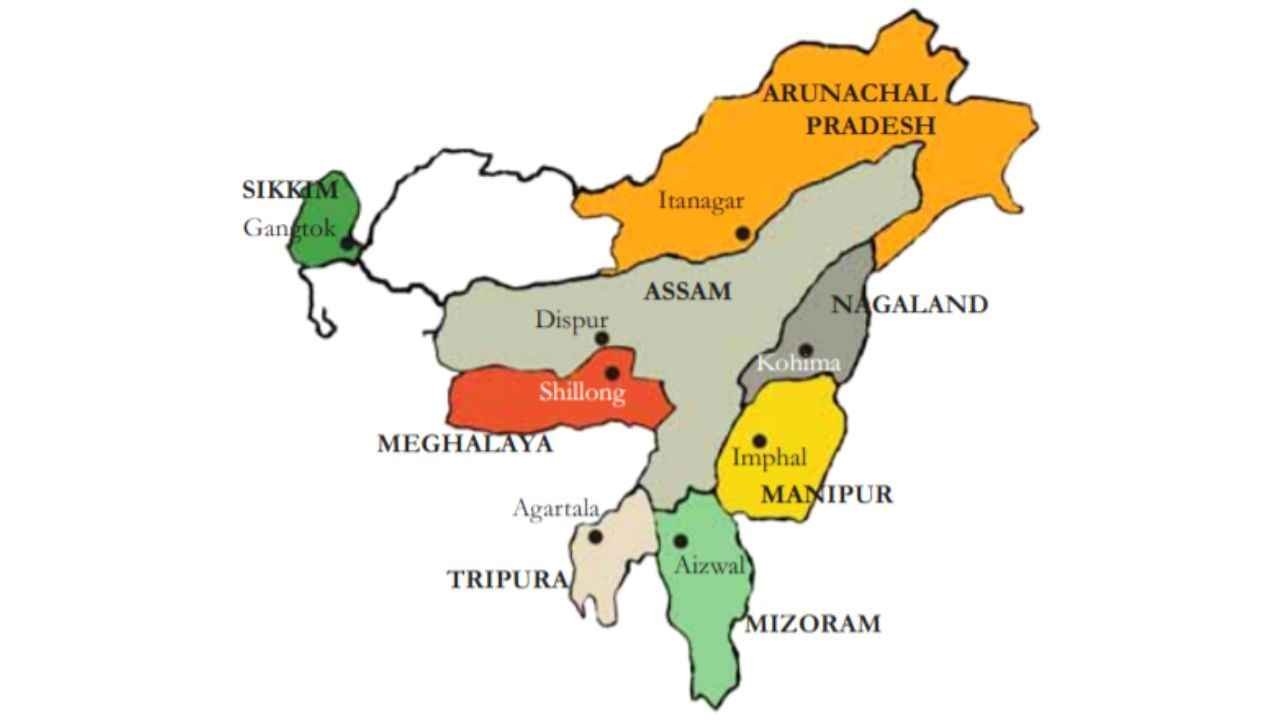
As the capital of Meghalaya, Shillong plays a crucial role in the politics and governance of the state. The city houses the Meghalaya Legislative Assembly, the Governor’s House, and the offices of various state government departments. It is here that decisions about the future of the state are made, and as such, Shillong holds political importance for the entire region.
Shillong’s political influence extends beyond state borders as well. The city is often seen as a forum for regional issues in Northeast India, where the aspirations of various indigenous communities are discussed. Shillong’s central location and its proximity to the other northeastern states make it an ideal meeting point for leaders and activists from across the region to come together and common concerns.
The city’s role as a mediator in Northeast India’s politics is crucial, especially considering the region’s history of ethnic tensions, insurgencies, and demands for autonomy.
The Future of Shillong: Challenges and Opportunities
Shillong’s Role in Northeast is very prominent. As Shillong continues to grow, it faces several challenges, including managing its urbanization, preserving its cultural identity, and ensuring sustainable development. The growth of tourism and commerce, while beneficial, has put pressure on the city’s infrastructure and natural resources. However, Shillong also holds immense potential for development.
With its well-educated workforce, strong cultural identity, and strategic location, Shillong can continue to play a significant role in the economic and political development of Northeast India. Sustainable tourism, green energy initiatives, and investment in infrastructure are all areas where the city can build its future while preserving the very qualities that make it unique.
888slot có mục “Review từ thành viên” – chia sẻ trải nghiệm thật từ người chơi, giúp bạn có cái nhìn đa chiều trước khi quyết định tham gia. TONY01-14