
Weaving Tradition of Khasi Tribe
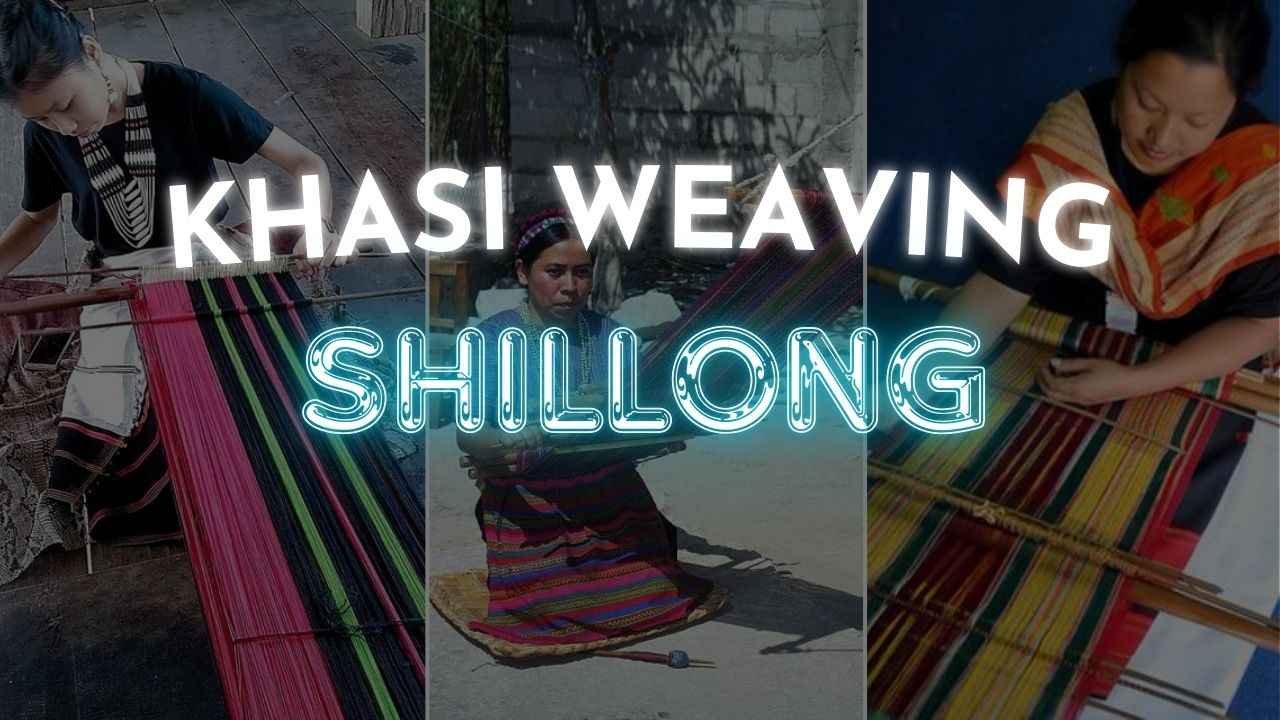
Art of Khasi Weaving
The Art of Khasi Weaving: Quick Summary
Khasi weaving is a traditional handloom craft from Meghalaya that reflects the cultural identity, craftsmanship, and heritage of the Khasi community. Skilled artisans create handwoven textiles using natural fibers, silk, and cotton, often incorporating distinctive colors, geometric motifs, and techniques passed down through generations. Beyond producing beautiful garments, Khasi weaving supports rural livelihoods, preserves indigenous knowledge, and represents one of Northeast India’s most valuable cultural traditions.
Key Facts About Khasi Weaving
| Feature | Details |
|---|---|
| Origin | Khasi Hills, Meghalaya, India |
| Community | Khasi tribe |
| Craft Type | Traditional handloom weaving |
| Common Materials | Cotton, Eri silk (Ryndia), Mulberry silk, natural fibers |
| Traditional Products | Jainsem, shawls, stoles, wraps and ceremonial textiles |
| Cultural Importance | Represents Khasi heritage, identity and traditional craftsmanship |
| Primary Artisans | Mostly women weavers in local communities |
| Modern Relevance | Supports sustainable fashion, rural employment and cultural preservation |
Frequently Asked Questions About Khasi Weaving
What makes Khasi weaving unique?
Khasi weaving combines traditional handloom techniques with patterns inspired by nature, local customs, and community identity. Every handcrafted textile reflects generations of weaving knowledge preserved within Khasi families.
Which fabrics are commonly used in Khasi weaving?
Traditional Khasi weavers primarily work with cotton and locally valued silk varieties such as Eri (Ryndia) and mulberry silk. Natural materials help create durable and culturally significant textiles.
Why is Khasi weaving important to Meghalaya?
The craft helps preserve indigenous traditions while creating livelihood opportunities for local artisans. It also promotes the cultural identity of Meghalaya through authentic handmade textiles recognized across India.
Are Khasi textiles still handmade today?
Yes. Many artisans continue to weave textiles on traditional looms using techniques inherited through generations, although modern designs and contemporary fashion have also influenced today’s products.
Why is Khasi weaving gaining global attention?
Growing demand for sustainable fashion, handmade products, and indigenous craftsmanship has increased international interest in Khasi textiles, particularly eco-friendly fabrics like Ryndia silk.
Last Updated
Last Updated: July 28, 2026
About the Author
Written by the Teer Today Editorial Team
The Teer Today editorial team researches and publishes informative articles covering Meghalaya’s culture, traditions, regional heritage, tourism, and Teer-related updates. Every article is reviewed for factual accuracy and reader value before publication.
Related Reading
You can also explore:
Shillong is the capital of Meghalaya, situated on the Northeastern side of India. But Shillong is not only blessed by nature but also famous for the different silk work by the native Khasi community called Khasi weaving. This form of weaving is not just a skill or craft; it is a reflection of the Khasi people’s rich history, beliefs, and connection to their natural environment.
This textile craft form is a technique that has been passed down through generations in the Khasi community. From the intricate designs to the materials used, Khasi weaving offers a unique glimpse into the cultural fabric of the Khasi tribe, one of the indigenous groups of Meghalaya.
The History and Origins of Khasi Weaving
The origins of Khasi weaving rooted in the lifestyle of the Khasi people as they wear this fabric on every occasion. The Khasis, are one of the three main ethnic groups of Meghalaya. They relied on natural fibers for clothing, shelter, and even ceremonial purposes. Over time, weaving became an essential part of their daily lives.
For the Khasis, weaving is a way of connecting to their ancestors and the land. The practice passed down from mother to daughter.
The art of Khasi weaving is also linked to the tribe’s matrilineal culture. Where inheritance and lineage passed through the mother. The designs woven into fabrics often represent family heritage. The particular patterns symbolizing different clans, rituals, or personal milestones.
Materials Used
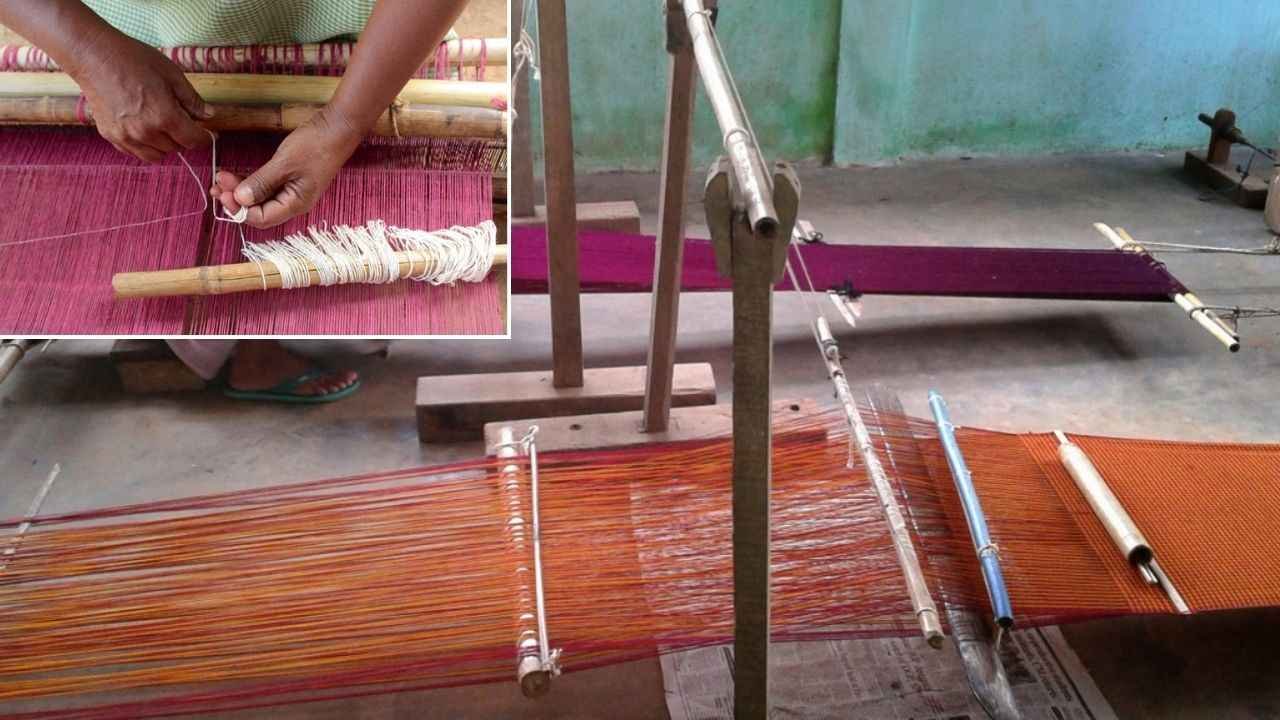
The foundation of Khasi weaving lies in the materials used. Most of which sourced from the local environment. The Khasis use natural fibers like cotton, silk, and bamboo to create their fabrics. Cotton, in particular, has been a staple for generations due to its availability and ease of processing.
One of the most distinctive materials in Khasi weaving is bamboo. The use of bamboo as a material for weaving is unique to the region. It reflects the Khasi people’s close relationship with their natural surroundings. Bamboo fibers are used to create baskets, mats, and textiles.
The Weaving Process
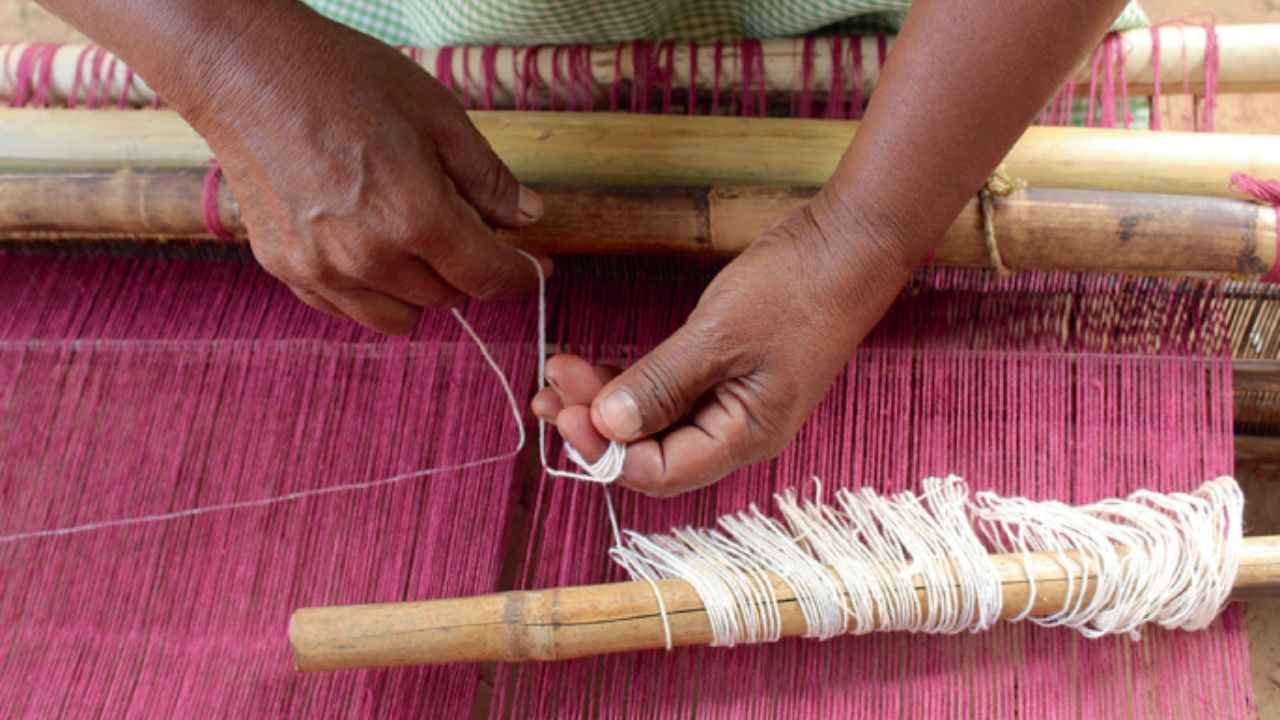
Khasi weaving involves a combination of skill, patience, and artistry. The process is done by hand, and the tools used are simple but effective. The most important of these is the traditional handloom, which has been in use for centuries. These handlooms are small and portable. Allow women to weave clothes in the comfort of homes or communal spaces.
The process begins with the preparation of the warp and weft threads. Depending on the design, the weaver may use a shuttle to pass the weft thread over and under the warp threads, creating the desired motif.
The designs themselves are intricate and meaningful. In fact, many of the motifs used in Khasi weaving have symbolic meanings, often derived from nature. For example, certain patterns are meant to represent local flora and fauna, while others are connected to spiritual beliefs or important cultural symbols. The most common motifs include geometric shapes like diamonds, triangles, and squares, as well as representations of animals, such as birds or serpents.
Moreover, some fabrics are woven in a plain, single-colored style, while others feature ikat designs—patterns created by tying and dyeing the yarn before it is woven into fabric. This technique is labor-intensive and requires significant expertise, as it demands a high level of precision to ensure that the final design is perfectly aligned.
Khasi weaving is a slow and meticulous craft. While some fabrics may take a few days to complete, others can take weeks or even months, depending on the complexity of the design and the size of the textile. Ultimately, the effort and care that go into each piece reflect the cultural value placed on the craft.
The Significance of Weaving in Khasi Culture
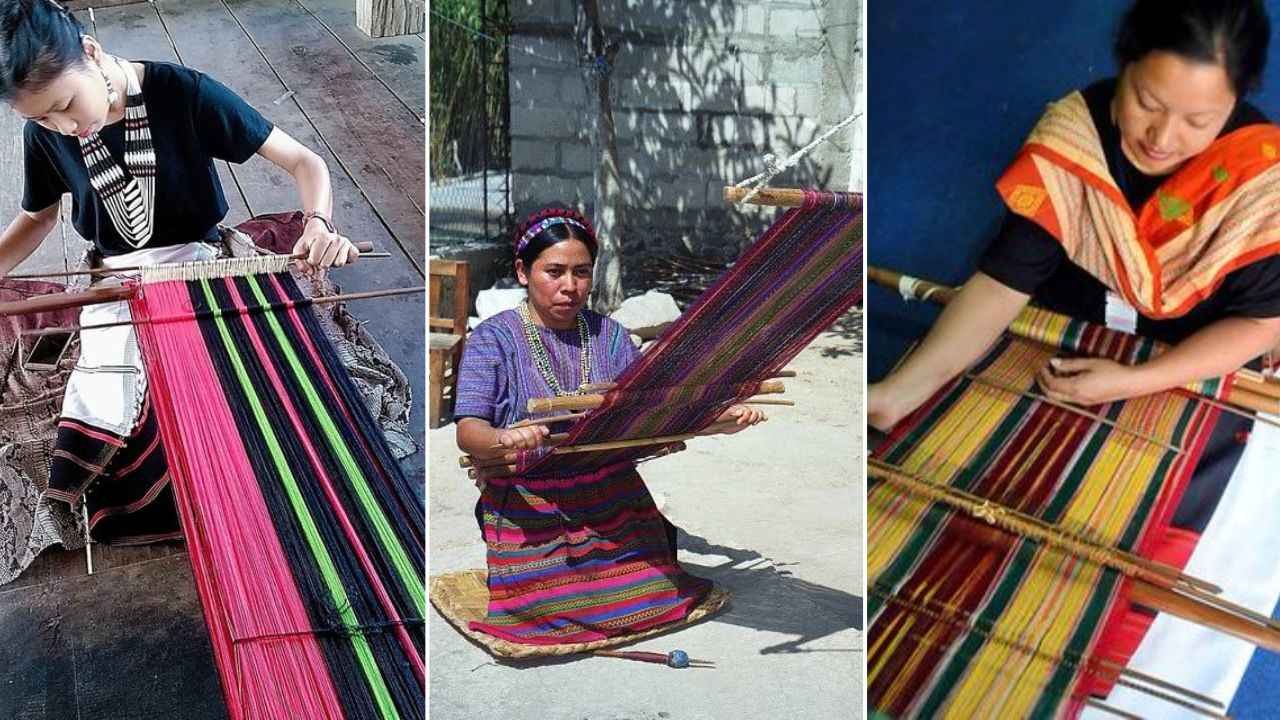
Khasi weaving is not just an art form; it holds great cultural and social significance. The cloths produced through weaving are more than just garments; they are tied to the identity and history of the Khasi people. Traditionally, woven textiles were used to make mekhls (skirts) and rignai (a type of shawl or blanket) for women, as well as naga (cloaks) for men. These garments are worn during festivals, weddings, and other important ceremonies, where they become symbols of cultural pride.
In the Khasi tradition, weaving is also a means of storytelling. The patterns, colors, and textures in a woven fabric often carry stories about the weaver’s family, tribe, or personal experiences. These stories are passed down through generations, and each piece of fabric created can be seen as a form of visual history.
For example, Meghalaya silk is highly valued for its soft texture and durability. It is often worn during weddings or sacred rituals. The specific colors and patterns chosen for these garments may vary, depending on the occasion and the individual’s social status.
The way of conviction history and tradition
Also Check Out: Shillong in Different Seasons
Also Check Out: Culture and Community Festivals of Shillong, Meghalaya