
Shillong Teer Probability Statistics – Can Numbers Really Repeat?
Introduction
Many followers of Shillong Teer believe that certain numbers repeat frequently and that past results can predict future outcomes. Terms like common numbers, hot numbers, and repeat patterns are widely discussed across Teer platforms, Shillong Teer Probability Statistics.
But how much of this belief is actually supported by probability and statistics?
In this article, we take an educational and logical approach to understanding Shillong Teer numbers—without myths, exaggeration, or false guarantees. Shillong Teer Formula
What Probability Really Means (In Simple Words)
Probability is the study of how likely an event is to happen.
In Shillong Teer:
Each round produces a two-digit number (00–99)
That means there are 100 possible outcomes
Every outcome has a chance of appearing
Importantly, probability does not mean certainty. Just because a number appeared yesterday does not mean it will—or will not—appear today. Shillong Teer Common Number
Is Shillong Teer Random?
Shillong Teer is not computer-random, but it is naturally unpredictable.
Why?
Arrow hits depend on human performance
Each archer’s accuracy varies daily
Environmental factors affect results
Because many small variables combine, the final arrow count behaves like a random outcome, even though it comes from a physical process. Shillong Night Results Teer Daily Updates
Why Do Numbers Repeat in Shillong Teer?
Number repetition is one of the most misunderstood aspects of Teer.
Statistical Explanation
In any system with limited outcomes (00–99):
Repetition is normal
Clusters occur naturally
Gaps between numbers are uneven
For example:
Seeing 23 appear twice in a week is not unusual
Seeing 23 not appear for 20 days is also normal
This does not indicate a hidden rule—it’s basic probability. Night Teer Game Today Result
Understanding “Common Numbers”
Common numbers are numbers that:
Appear frequently over a selected period
Are identified by tracking past results
What Statistics Says
A number appearing often in the past does not increase its future probability
Each round resets probability
Past frequency ≠ future guarantee
Tracking common numbers can be useful for study, but not for certainty.
The Gambler’s Fallacy Explained
A very common mistake in Teer thinking is the Gambler’s Fallacy.
Example
“Number 78 hasn’t appeared for many days, so it must appear soon.”
❌ This is incorrect.
Each Shillong Teer round is independent.
The system does not “remember” past results.
Can Past Results Be Used at All?
Yes—but only educationally, not predictively.
Useful Ways to Analyze Past Results
Understanding range distribution
Studying frequency spread
Learning how randomness behaves
Misuse of Past Results
Claiming guaranteed predictions
Selling fixed-number systems
Promising success rates
Statistics explains behavior—it does not promise outcomes. Juwai Morning Teer Result Previous
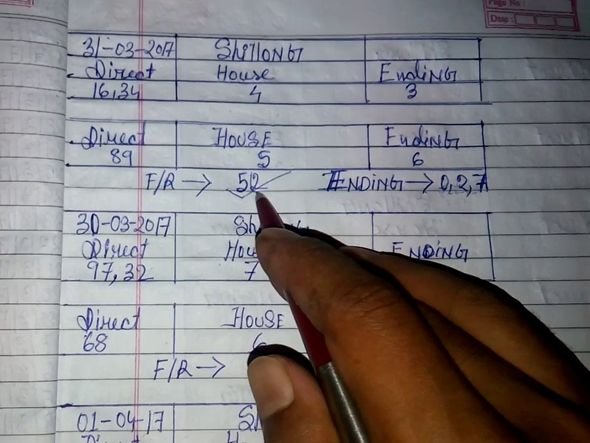
House and Ending Analysis – What It Actually Means
Many people analyze:
House (first digit)
Ending (second digit)
Statistical Reality
Each digit (0–9) has equal probability
Patterns appear short-term, not long-term
Long-term data always balances out
House/ending analysis is better seen as trend observation, not forecasting.
Why No Formula Can Guarantee Results
A guaranteed formula would require:
Complete control over arrow hits
Fixed conditions
Zero randomness
Since Shillong Teer depends on human action, such control is impossible.
Any claim of:
“100% sure number”
“Fixed formula”
“Daily guaranteed Teer”
…should be treated as misinformation.
Responsible Interpretation of Statistics
Educational use of statistics helps readers:
Think critically
Avoid emotional decisions
Identify false claims
Respect uncertainty
Statistics should inform understanding, not create unrealistic expectations.
Frequently Asked Questions (FAQs)
Q1: Do repeating numbers mean a pattern exists?
No. Repetition is a normal outcome in probability.
Q2: Are common numbers better choices?
They reflect past data only, not future certainty.
Q3: Can statistics predict exact numbers?
No. Statistics explains likelihood, not exact outcomes.
Conclusion
Shillong Teer numbers may appear patterned, but in reality, they follow the natural rules of probability and variation. Repetition, gaps, and clusters are normal behaviors—not signals of certainty.
Understanding probability helps readers move from belief to logic, from assumption to education. That is the true value of studying Shillong Teer statistics.
Write more, thats all I have to say. Literally, it seems as though you
relied on the video to make your point. You obviously know what youre talking about, why waste your intelligence on just posting
videos to your blog when you could be giving us
something enlightening to read?