
What is Teer?
The Contribution of Teer in Meghalaya’s Economy
Contribution of Teer to Meghalaya’s Economy – Quick Summary
Summary: Meghalaya Teer is more than a traditional archery-based lottery. It supports the state’s economy by generating licensed business revenue, creating employment, attracting visitors, and preserving Khasi cultural heritage. As a government-regulated activity, Teer contributes to local commerce while providing income opportunities for ticket sellers, archery clubs, vendors, and related businesses. Beyond its financial role, Teer remains one of Meghalaya’s most recognized cultural traditions and continues to strengthen community participation and tourism.
Key Facts About Teer and Meghalaya’s Economy
| Topic | Details |
|---|---|
| Primary Activity | Traditional archery-based lottery regulated in Meghalaya |
| Cultural Origin | Khasi community’s traditional archery practice |
| Government Status | Operates under state regulation and licensed counters |
| Economic Impact | Supports employment, licensed businesses, local trade, tourism, and government revenue |
| Major Beneficiaries | Archers, ticket sellers, vendors, local businesses, tourists, and licensed operators |
| Popular Location | Shillong and surrounding areas of Meghalaya |
| Tourism Value | Visitors often experience Teer alongside Meghalaya’s cultural attractions |
| Long-Term Importance | Preserves indigenous traditions while supporting economic activity |
Frequently Asked Questions
How does Teer contribute to Meghalaya’s economy?
Teer contributes by supporting licensed betting counters, generating government revenue through regulated operations, creating employment, encouraging local spending, and attracting tourists interested in Meghalaya’s unique cultural traditions.
Is Teer legally regulated in Meghalaya?
Yes. Meghalaya Teer operates under a regulated framework with licensed operators and government oversight, making it different from many unregulated betting activities.
Does Teer create employment opportunities?
Yes. The ecosystem supports archers, ticket vendors, counter operators, administrative staff, local retailers, and businesses that benefit from increased visitor activity.
Why is Teer important to Khasi culture?
Teer originated from the Khasi community’s traditional archery practices. Today it continues to preserve this heritage while connecting cultural identity with modern economic opportunities.
Does Teer benefit tourism in Meghalaya?
Many travelers visiting Shillong and other parts of Meghalaya include Teer among the cultural experiences they wish to see. This increases demand for hotels, transport, restaurants, shopping, and local services.
Last Updated
Last Updated: July 28, 2026
About the Author
Author: Chand Kumar
Chand Kumar writes about Shillong Teer, Meghalaya’s culture, local economy, tourism, and educational content. His articles focus on providing accurate, reader-friendly information that explains how traditional practices such as Teer continue to influence everyday life and the state’s economy.
Related Articles
You may also like:
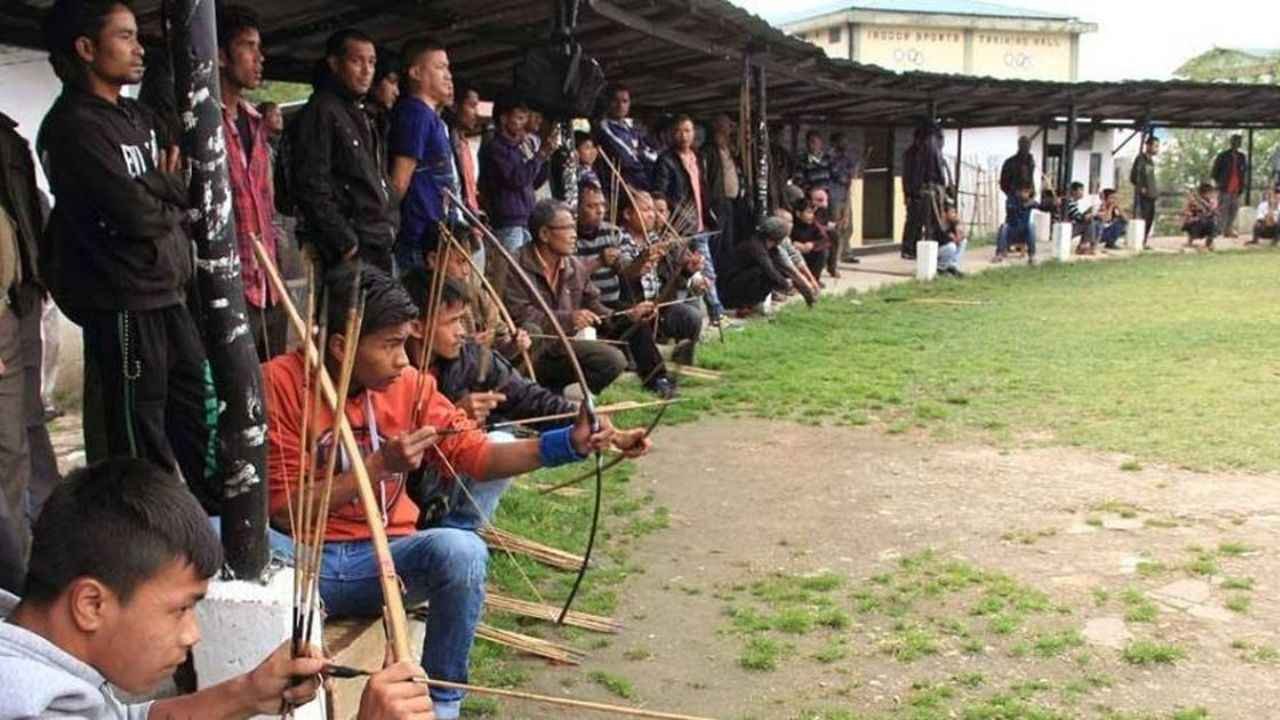
Teer is a traditional archery-based betting game that is unique to the Khasi tribe of Meghalaya hills, particularly the most popular in Shillong. This game used to be just a cultural game where people came and enjoyed their game with the community, presenting their skills, but with the movement of time, they started monetizing it and making it an earning source.
The word “Teer” itself means “arrow” in the Khasi language, capturing the essence of the game. Unlike typical betting games that rely solely on chance, Teer incorporates an element of skill through archery, making it a fascinating blend of luck and talent.
The game is played daily, with two rounds of archery held at a designated location, usually on the outskirts of the city. The outcome is determined by the number of arrows that hit the target in each round, and players place bets on the final results.
Contribution of Teer in Meghalaya’s Economy. Shillong is not only known for its breathtaking landscapes and vibrant touch of different cultures but also for a unique betting game called Teer. This traditional activity has become an important part of local life, it is a blend of skill, chance, and community spirit in the sport.
In this post, we’ll dive into the origins, rules, and cultural significance of Teer, while also exploring how it contributes to states economy.
Historical Background: Contribution of Teer in Meghalaya's Economy
Teer has its origins in the archery traditions of the Khasi people, who have long been skilled archers. Initially a local pastime, the game evolved into a more structured betting system.
The exact beginnings of Teer are unclear, In the 1970s Teer became more formalized and gained popularity over time.
In 1982, the Meghalaya government officially legalized Teer, creating rules for organized play. This decision helped regulate the game and boosted the local economy by attracting players and tourists form all over the country.
How Teer is Played

As a buyer playing Teer is simple, yet it requires some understanding of the rules and you select numbers that are in your target and put money on it. The game consists of two rounds, usually held in the early evening. Here’s a step-by-step breakdown of how it works:
Placing Bets: Players can bet on numbers ranging from 0 to 99. Before the rounds begin, players choose their numbers based on personal beliefs, dreams, or even advice from local soothsayers.
Archery Rounds: Each day, archers shoot a set number of arrows at a target. The first round typically involves 30 archers, while the second round has a larger group. The total number of arrows that hit the target determines the winning numbers.
Results Announcement: After the archery rounds, the results are announced, and players check their bets against the winning numbers. If a player’s number matches the outcome, they win a predetermined amount based on the odds set for that number.
Winnings: The amount a player can win varies, depending on how many players bet on the same number or how much money you put on. Generally, the more popular a number, the lower the payout, while less common numbers can yield higher rewards.
Economic Contributions of Teer
Teer plays a crucial role in the economy of Meghalaya, provides several economic benefits:
Licence Revenue
The contribution of Teer In Meghalaya’s economy is very good. The Meghalaya government gets revenue from the license of Teer. A license is necessary to run a Teer Counter (store where you can play teer), and the revenue goes straight to the State government. Meghalaya Government formed a legal body named Shillong Teer Association (STA) in 1973 to formalize the game.
The license is given by only state government. The licenses are only given to the native regional people which is Khasi. However, the License needs to be renewed every month the renewable fee is ₹1,500. The amount goes to State government, means it contributes to the Economy.
Support for Local Businesses
The excitement surrounding Teer stimulates local businesses, from small shops selling snacks and refreshments to handicraft stores that cater to tourists. However, the increase in economic activity during Teer betting days provides a boost to the local economy, ensuring that money circulates within the community.
Tourism Boost
Teer has attracted both domestic and international tourists curious about this unique cultural phenomenon. Tourists often visit Shillong specifically to experience Teer, contributing to the local hospitality sector. Hotels, restaurants, and local artisans benefit from the increased footfall, stimulating overall economic growth.
Revenue Generation
The government collects taxes from the organized Teer betting operations. These funds can be used to improve local infrastructure and public services. The regulated nature of Teer also ensures that the earnings are channeled back into the community, fostering development. Teer contributes 15-20% of the economy.
Hi! This is my first visit to your blog! We are a
team of voluntesrs and starting a new initiative in a community in the
same niche. Your blog provided us vaaluable informaztion to work on. You have
done a marvellouys job! https://fortune-Glassi.mystrikingly.com/
Hi! This is my first visit tto your blog! We are a
team off volunteers and starting a neew initiative in a community in the same niche.
Yoour blog progided us valuable information to work on. You have
done a marvellous job! https://fortune-Glassi.mystrikingly.com/